Sanctioned in 1953, Project MKUltra remains one of the most thoroughly documented yet heavily redacted programs in the history of U.S. intelligence. Under the direction of chemist Sidney Gottlieb, the CIA sought to weaponize human consciousness.
Origins in the Cold War Paranoia
In the aftermath of the Korean War, American intelligence agencies grew increasingly concerned over reports that American prisoners of war had been subjected to brainwashing techniques by Soviet, Chinese, and North Korean captors. In response, CIA Director Allen Dulles approved Project MKUltra on April 13, 1953. The program aimed to develop mind-controlling drugs for use against the Soviet bloc, focusing on truth serums, memory-erasing agents, and behavioral modifiers.
The operation was placed under the purview of the CIA's Office of Scientific Intelligence and directed by Sidney Gottlieb. Because of the extreme nature of the experiments, MKUltra operated outside traditional budgetary and oversight constraints, funding research at over 80 institutions, including universities, hospitals, and prisons.
Methods and Experimentation
The scope of MKUltra was staggering. It encompassed over 150 sub-projects, many of which involved administering hallucinogenic drugs—most notably LSD—to unwitting subjects. The goals were broad: to discover chemicals that would induce logical confusion, alter personalities, enhance physical endurance, or provoke acute amnesia.
One of the most infamous sub-projects was Operation Midnight Climax, which involved CIA safehouses set up in San Francisco and New York. Agency operatives observed subjects who had been lured in by sex workers and dosed with LSD without their consent. The behavior of the subjects was monitored behind two-way mirrors, reflecting a blatant disregard for medical ethics and human rights.
"The program was characterized by a profound lack of consent. Subjects were not volunteers; they were individuals who had no idea they were part of a United States government experiment."
The Destruction of Documents
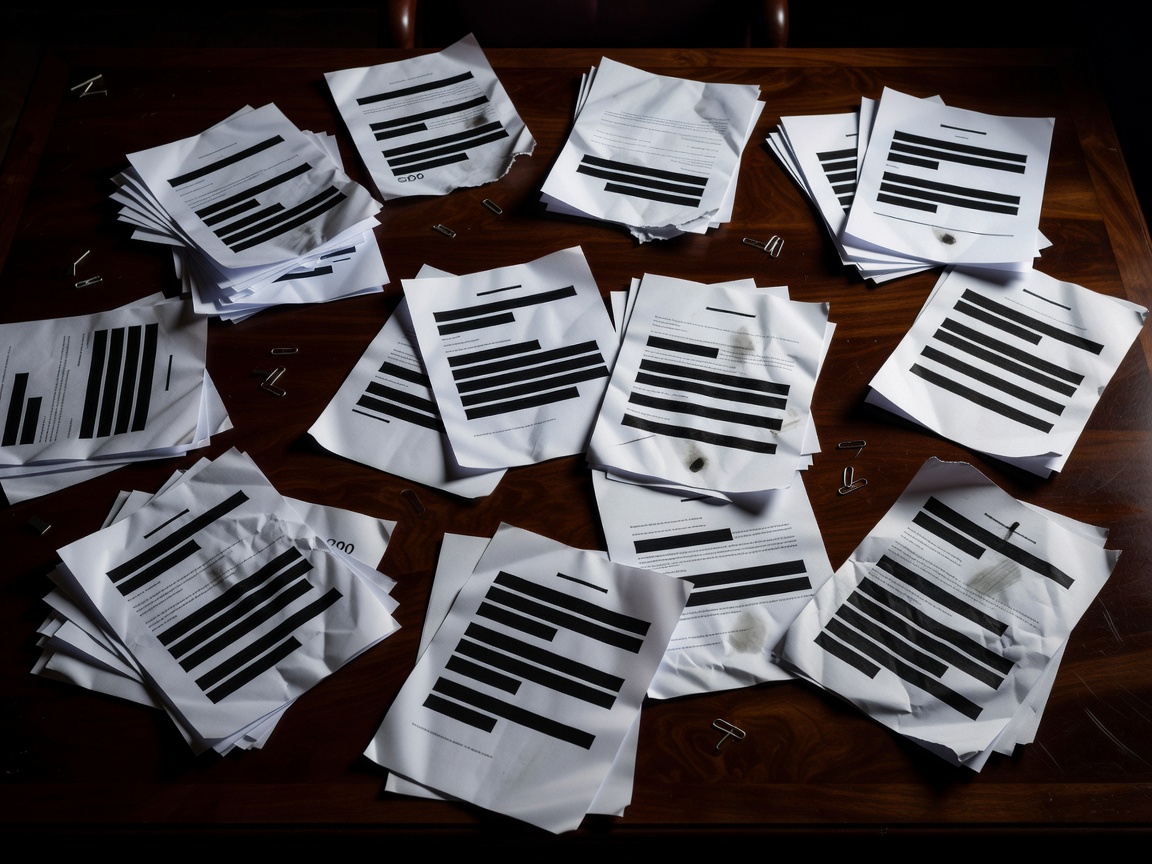
In 1973, amidst the growing Watergate scandal and fears of exposure, CIA Director Richard Helms ordered all MKUltra files destroyed. This directive was largely successful; the vast majority of primary documentation regarding the specific dosages, subjects, and scientific conclusions were permanently lost.
However, the destruction was not absolute. A cache of roughly 20,000 documents survived because they had been stored in a financial records building and were mistakenly overlooked during the purge. These financial documents eventually became the cornerstone of subsequent investigations.
The Church Committee and Public Revelation
The surviving documents were discovered in 1977 following a Freedom of Information Act (FOIA) request. This led to Senate hearings chaired by Senator Frank Church—the aptly named Church Committee—which investigated abuses by the CIA, NSA, and FBI.
The hearings brought the reality of MKUltra to the American public. Testimony confirmed the involuntary dosing of citizens, leading to tragic outcomes, most notably the 1953 death of Dr. Frank Olson, an Army scientist who fell from a hotel window days after being unknowingly given LSD by his CIA supervisor. The Church Committee concluded that the CIA had operated with a dangerous lack of oversight and recommended stringent new guidelines for intelligence operations.
Historical Legacy
MKUltra serves as a definitive example of an actual, documented conspiracy perpetrated by state actors against citizens. It forces historians and ethicists to grapple with the boundaries of national security and the protection of civil liberties.
While the exact scientific results of Gottlieb's experiments remain obscured by the destroyed records, the political and cultural fallout is clear. The revelation of MKUltra severely damaged public trust in government institutions—a legacy that continues to influence contemporary skepticism regarding state power.