In November 1605, English Catholics conspired to blow up the House of Lords, aiming to assassinate King James I and restore a Catholic monarch to the throne. The discovery of this plot reshaped British political history.
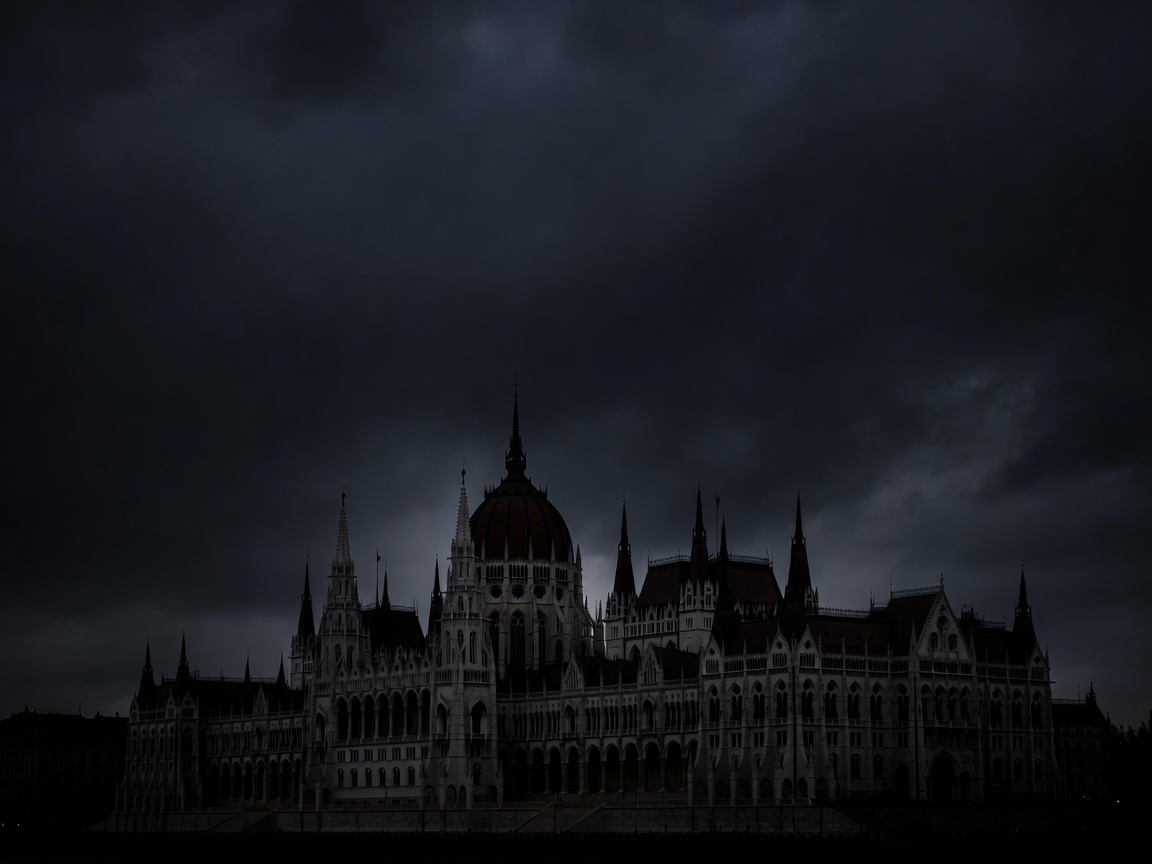
Religious Tensions in Post-Tudor England
Following decades of religious upheaval under the Tudor monarchs, English Catholics held hope that the ascension of King James I in 1603 would usher in an era of tolerance. James, the son of the Catholic Mary, Queen of Scots, was initially seen as sympathetic. However, political realities soon forced James to adopt strict anti-Catholic measures, imposing fines on recusants and expelling Jesuit priests.
Driven by a sense of betrayal and existential threat, a group of disaffected provincial Catholic gentry decided that violent revolution was the only viable recourse. The mastermind behind this endeavor was Robert Catesby, a charismatic leader who formulated a plan of unparalleled destruction.
The Conspiracy Takes Shape
Catesby recruited a close circle of co-conspirators, including John Wright, Thomas Wintour, Thomas Percy, and the explosives expert Guy Fawkes. Fawkes had acquired significant military experience fighting for the Spanish in the Low Countries, making him the ideal candidate to handle the physical execution of the plot.
The plan was audacious: rent an undercroft directly beneath the House of Lords and pack it with gunpowder. During the State Opening of Parliament, scheduled for November 5, 1605, Fawkes would ignite the charges, annihilating the King, his heirs, and the entire Protestant political elite in a single blast. Simultaneously, a provincial rebellion would capture the King's daughter, Princess Elizabeth, and install her as a Catholic puppet queen.
"The Gunpowder Plot was an early instance of what modern terminology might classify as domestic terrorism, targeting the physical infrastructure of state power."
The Monteagle Letter
As the plot widened to include more conspirators for financial and logistical support, operational security degraded. On October 26, 1605, William Parker, the 4th Baron Monteagle, received an anonymous letter warning him to avoid the opening of Parliament. The letter famously stated that Parliament would "receive a terrible blow" and yet not see who hurt them.
Monteagle immediately delivered the letter to Robert Cecil, the King's Secretary of State. While Cecil likely knew of Catholic agitations, the precise nature of the Monteagle letter triggered a specific search of the parliamentary vaults.
Discovery and Aftermath
Around midnight on November 4, authorities conducted a search of the undercroft beneath the House of Lords. There they found Guy Fawkes, guarding 36 barrels of gunpowder concealed beneath firewood and coal. Fawkes was arrested immediately. Under severe torture at the Tower of London—authorized directly by King James—Fawkes eventually revealed the names of his co-conspirators.
Catesby and several others fled to Holbeche House in Staffordshire, where they made a desperate final stand against the Sheriff of Worcester's men on November 8. Catesby was killed in the shootout. The surviving conspirators were captured, tried for high treason, and subjected to the horrific execution of being hanged, drawn, and quartered in January 1606.
Historical Impact
The failure of the Gunpowder Plot had immediate and lasting consequences for English Catholics. Parliament passed severe new laws restricting their civil rights, forbidding them from practicing law, serving as officers in the military, or voting. These restrictions remained largely in place for nearly two centuries.
The event is permanently etched into the cultural memory of the United Kingdom, commemorated annually on Bonfire Night (November 5), a testament to the enduring historical impact of Catesby's failed conspiracy.